
Once known as the bustling hub where East meets West, Hong Kong is now embroiled in a complex web of political tension and social unrest. In a recent progress, the government has announced that mainland chinese pupils will no longer be eligible for student visas to study in Hong Kong, citing a “mutual agreement” between the two regions. This decision has sparked debates and raised questions about the future of education and cross-border relations in this dynamic city.
– Impact of the mutual agreement on mainland Chinese pupils studying in Hong Kong
Since the implementation of the mutual agreement between China and Hong Kong, there has been a noticeable impact on mainland Chinese pupils studying in Hong kong. One of the key changes observed is the increased ease of travel for these students between the two regions, allowing for more frequent visits home and a stronger sense of connection to their families.

Furthermore, the agreement has also facilitated greater cultural exchange and collaboration among mainland Chinese pupils and their Hong Kong counterparts. This has led to a richer academic experience for all students involved, as they can now learn from each other’s perspectives and share knowledge in a more integrated manner. the mutual agreement has had a positive impact on the lives and education of mainland Chinese pupils studying in Hong Kong.

– Exploring the potential implications for educational institutions in Hong Kong
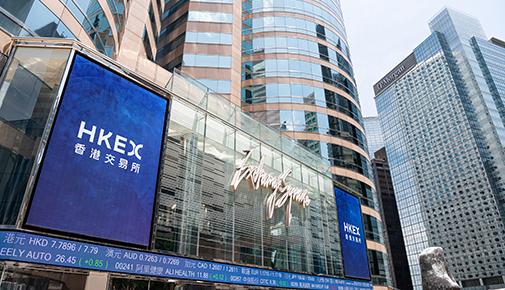
With the recent political unrest in Hong Kong, educational institutions are facing a period of uncertainty and change. The potential implications for these institutions are vast and varied, ranging from shifts in curriculum to changes in student demographics.
Challenges:
- Adapting to new government regulations and policies
- Maintaining a sense of safety and security on campus
- Navigating the impact of social movements on campus culture
Opportunities:
- Embracing diversity and inclusion in the wake of social change
- Integrating technology for innovative teaching and learning methods
- Forging partnerships with international institutions for global collaboration
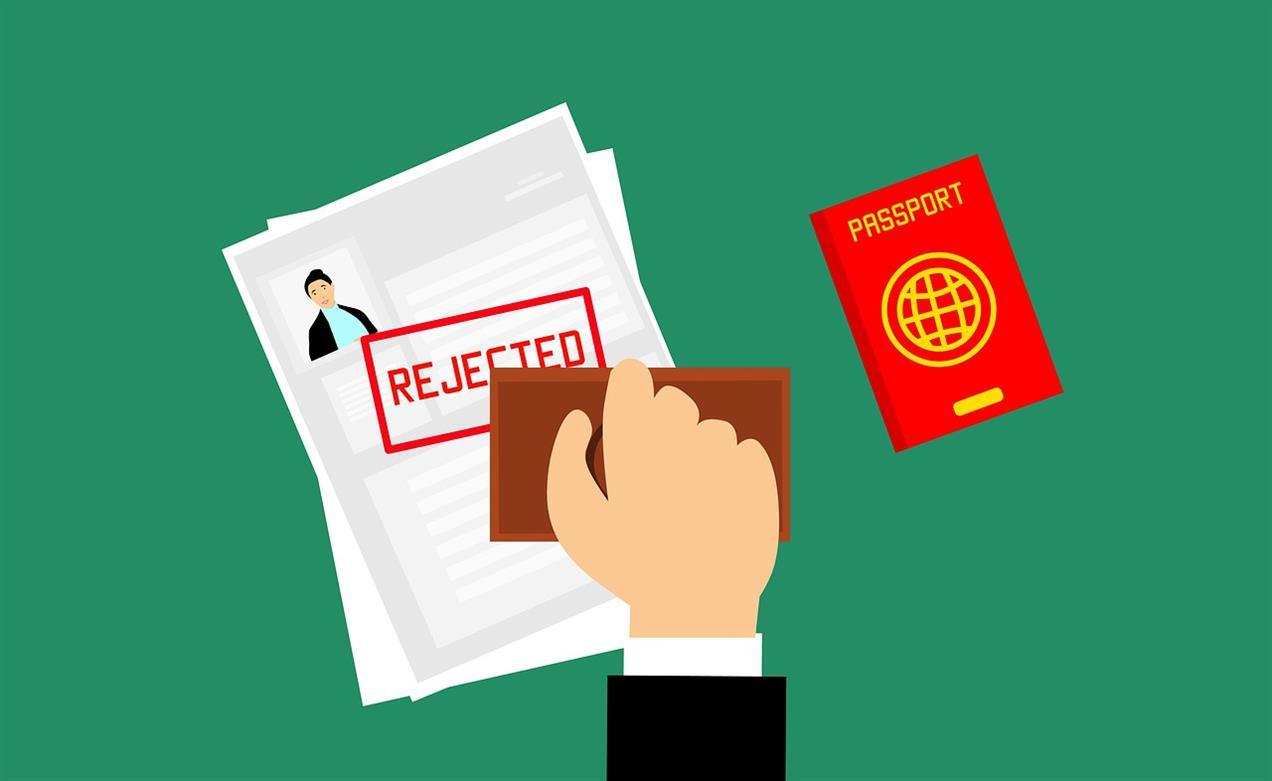
- Recommendations for students affected by the new visa restrictions
if you are a student who has been impacted by the recent visa restrictions, hear are some recommendations to help navigate this challenging situation:
1. Stay informed: Keep updated on any changes to the visa policies and regulations. Subscribe to official government announcements and consult with your educational institution for guidance.
2. Explore alternative options: Look into other visa categories that may be available to you, such as student exchange programs or temporary work visas. Consider seeking advice from immigration experts or lawyers to explore all possible avenues for staying in the country legally.
Insights and Conclusions
the decision to restrict student visas for mainland Chinese pupils in Hong Kong is a reflection of the complexities and tensions present in the region. While it may be disappointing for some, it is important to understand that this decision was made under a mutual agreement between the two governments. As the situation continues to evolve, it is indeed crucial for all parties to engage in respectful dialog and strive for peaceful resolution.Thank you for reading.

